

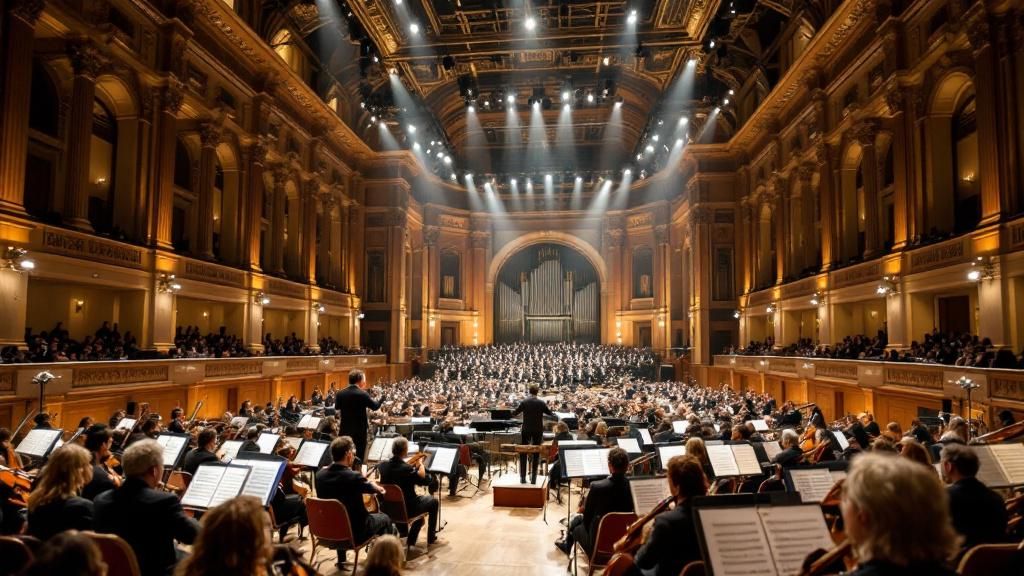
Britain’s traditional orchestral venues are witnessing an remarkable resurgence, with concert halls and performance spaces across the country reporting impressive visitor numbers and substantial revenue increases. This revival contradicts earlier predictions of declining interest in classical orchestral music, revealing instead a vibrant appetite for classical music amongst audiences of all ages. This article examines the forces behind this artistic resurgence, examines which concert halls are flourishing most impressively, and considers what this growth means for the classical music landscape in Britain.
Increasing Attendance Figures Nationwide
The increase in classical music attendance across Britain indicates a fundamental shift in cultural engagement, with venues documenting visitor numbers that have exceeded even the most optimistic projections. From intimate chamber halls to expansive performance venues, establishments throughout the country have witnessed steady increases year-on-year, suggesting a enduring rather than temporary interest in orchestral and classical performances. This positive trend has been particularly pronounced in regions previously considered peripheral to the classical music circuit.
Statistical assessment shows that this growth spreads beyond London and the Southeast, with regional venues experiencing equivalent percentage growth in attendance. Younger audiences, traditionally poorly represented at classical performances, now form a significant percentage of attendees, indicating successful engagement and creative programmes. The broadening of programming and creative promotional tactics have clearly resonated with patrons, changing classical music from a specialist activity into mainstream entertainment.
Metropolitan Performance Venues Lead the Surge
London’s premier concert halls have experienced the most dramatic attendance increases, with some venues noting standing-room-only performances and extended booking periods. The Royal Albert Hall, Barbican Centre, and Southbank Centre have all benefited substantially from this renewed enthusiasm, expanding their programming to accommodate demand. These flagship institutions have emerged as cultural anchors, attracting both established classical enthusiasts and curious newcomers eager to experience symphonic works and chamber music concerts.
Beyond the capital, major urban hubs such as Manchester, Birmingham, and Edinburgh have likewise leveraged growing demand in classical music. Their respective concert halls have introduced sophisticated ticketing systems and dynamic pricing strategies to handle unprecedented demand. Resources directed towards upgraded infrastructure and artist acquisition has considerably bolstered these venues’ competitive advantage, positioning them as essential destinations for travelling orchestral ensembles and globally acclaimed musicians across Britain.
- Royal Albert Hall visitor numbers rose by forty-two percent year over year.
- Barbican Centre expanded its programming to accommodate increasing audience needs.
- Southbank Centre reported record subscription renewals and new memberships.
- Manchester’s Bridgewater Hall extended performance seasons successfully.
- Edinburgh’s Usher Hall achieved peak revenue levels in institutional history.
Financial Performance and Revenue Expansion
The monetary direction of Britain’s traditional music establishments has demonstrated impressive strength and expansion throughout the past financial year. Financial inflows have grown substantially, with many organisations showing increases in the double digits compared to the previous twelve months. This increase indicates not only heightened ticket sales but also diversified income sources, such as enhanced corporate partnerships, philanthropic contributions, and innovative ancillary revenue initiatives that have strengthened venues’ financial stability.
Beyond simple visitor numbers, the economic significance of classical music venues spreads considerably into neighbouring areas and broader economic regions. Venues have allocated additional income into infrastructure upgrades, musician remuneration, and educational schemes, thereby establishing a lasting framework that benefits performers, audiences, and surrounding businesses alike. This fiscal strength enables venues to programme more ambitious seasons and attract internationally renowned ensembles, further enhancing the nation’s cultural reputation worldwide.
Ticket Sales and Sponsorship Growth
Ticket sales have emerged as the primary driver of financial development across Britain’s classical music sector. Premium seating categories have seen notably robust demand, with patrons displaying readiness to spend considerably in superior audience experiences and privileged interaction to artists. Concurrently, membership schemes have attracted loyal audiences seeking value and convenience, generating stable income flows that support strategic development and programming decisions for venue operators.
Corporate sponsorship has expanded as businesses acknowledge the cultural prestige and patron participation opportunities linked to classical music partnerships. Major financial institutions, premium product lines, and international business enterprises have substantially boosted investment in venue sponsorships and production backing. These partnerships have permitted cultural organisations to reduce ticket price pressures whilst simultaneously enhancing production values, creating a reciprocal partnership model that reinforces cultural institutions and organisational brand standing.
- Premium ticket prices increased by approximately 15% across major venues
- Corporate sponsorship deals grew substantially, attracting Fortune 500 companies nationwide
- Season subscription packages achieved record-breaking subscriber levels and renewal rates
- Individual donor contributions rose significantly through enhanced fundraising campaigns
- Merchandise and ancillary sales generated extra income sources for these venues
Upcoming Prospects and Key Initiatives
The arc of Britain’s classical music venues appears distinctly positive, with industry analysts anticipating ongoing development over the following years. Venue operators and arts organisations are capitalising on existing impetus by broadening their event calendars and strengthening audience participation strategies. This planned methodology promises to strengthen the advances realised in recent years whilst attracting new demographics to classical performances, ensuring the sector’s continued prosperity and artistic significance.
Looking ahead, many venues are dedicating considerable funding to upgrading their venues and embracing new digital platforms to connect with wider audiences. Blended performance models, combining live performances with streaming capabilities, are growing more common Britain’s classical music landscape. These advancements reflect a commitment to accessibility and inclusivity, securing lasting growth and enabling classical music to thrive in an changing cultural environment.
Funding for Infrastructure and Programming
Major concert halls throughout Britain are carrying out significant capital investment projects to enhance their venues and enrich audience experiences. These improvements include upgraded seating arrangements, enhanced acoustical systems, and cutting-edge technical infrastructure. Such facility upgrades are crucial in maintaining competitive advantages and ensuring venues remain leading destinations for classical music performances. Investment decisions are based on audience feedback and new technological advancements that promise to enhance the concert-going experience.
Programming methods are growing increasingly sophisticated, with curators developing thematic seasons that appeal to diverse audience segments. Collaborations with world orchestras and renowned soloists are strengthening Britain’s reputation as a leading classical music centre. Educational programmes and community involvement programmes augment traditional concert programming, fostering long-term audience growth. These varied approaches demonstrate venues’ commitment to artistic achievement whilst maintaining financial sustainability and cultural influence.
- Expanding online broadcast services for remote audience participation
- Developing coaching initiatives supporting aspiring orchestral performers
- Creating family-friendly concert series with reasonably priced tickets
- Establishing collaborations with educational institutions for community engagement programmes
- Implementing eco-conscious measures reducing environmental venue footprints
